
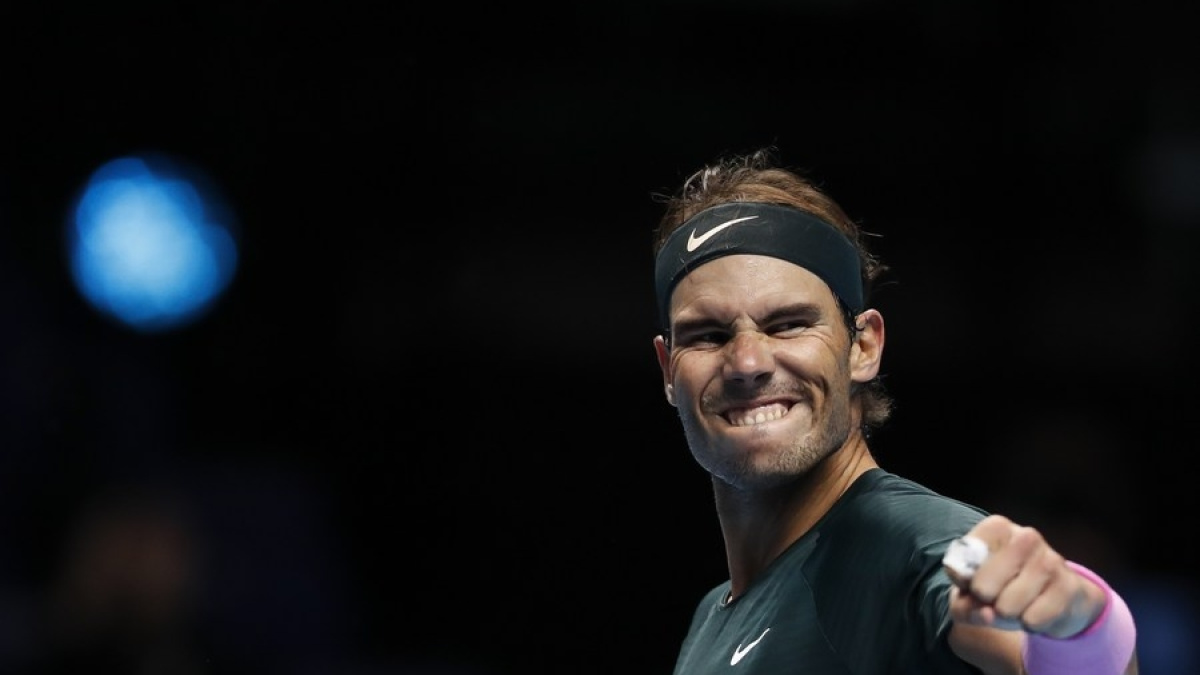
Rafael Nadal: The 22 Grand Slams champion Rafael Nadal has detailed the immense physical sacrifice behind one of tennis’s most decorated careers, confessing that he constantly feared it would be his last season as he battled a chronic foot condition.The retired Spanish icon, who was part of the game’s legendary ‘Big Three’ along with Roger Federer and Novak Djokovic, discussed his difficult sacrifices in the quest to reach the very pinnacle of his sport following the release of the Netflix series ‘Rafa’, which examines the physical and mental challenges of his time playing professionally.
“I’ve had to make decisions about my health, where you are on the borderline between right or wrong,” the 39-year-old admitted to the BBC. “But if I hadn’t explored all that, I probably would have had 10 fewer Grand Slams…This is the reality.”
Nadal suffered the first diagnosis of the rare Muller-Weiss syndrome just two months before clinching his first French Open crown at just 19. He sustained a broken bone during the 2005 Madrid Open final, which was a rare illness that is partially attributed to the intense physical training of his childhood with his uncle Toni Nadal, immediately jeopardising his health.
Instead of accepting that the chronic condition meant that his career was over, Nadal proceeded to rack up a remarkable 13 additional Grand Slams over the course of nine years, and in doing so, he secured no less than one Grand Slam trophy a season, cementing his status as the greatest clay court player to ever play the game.
But on the inside, the trophies and celebrations hid continuous doubts about what the future held.
“Tennis became a race against time,” Nadal confessed to the BBC. “Always doubting my head about how long I can last with this foot? I never knew how long my career would last.”
“I always thought, maybe it’s the last year, so there’s no time to stop.”
The continued physical effort of competing at the very highest level also led to two serious health problems: a recurring tendinitis in his left knee and intestinal perforations caused by the excessive use of painkillers.
However, the burning passion to win outweighs any pain. “The key was that the suffering was less than my passion and my happiness for what I was doing,” the retired tennis ace explained.
Article Source: IANS