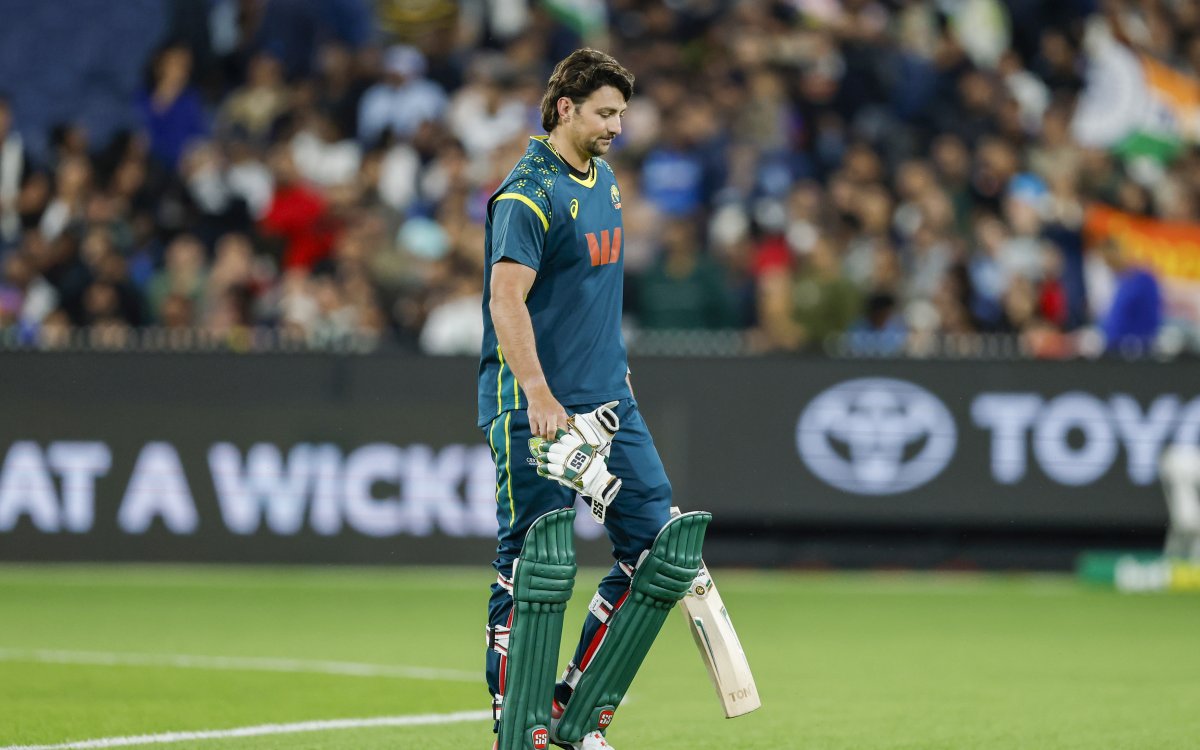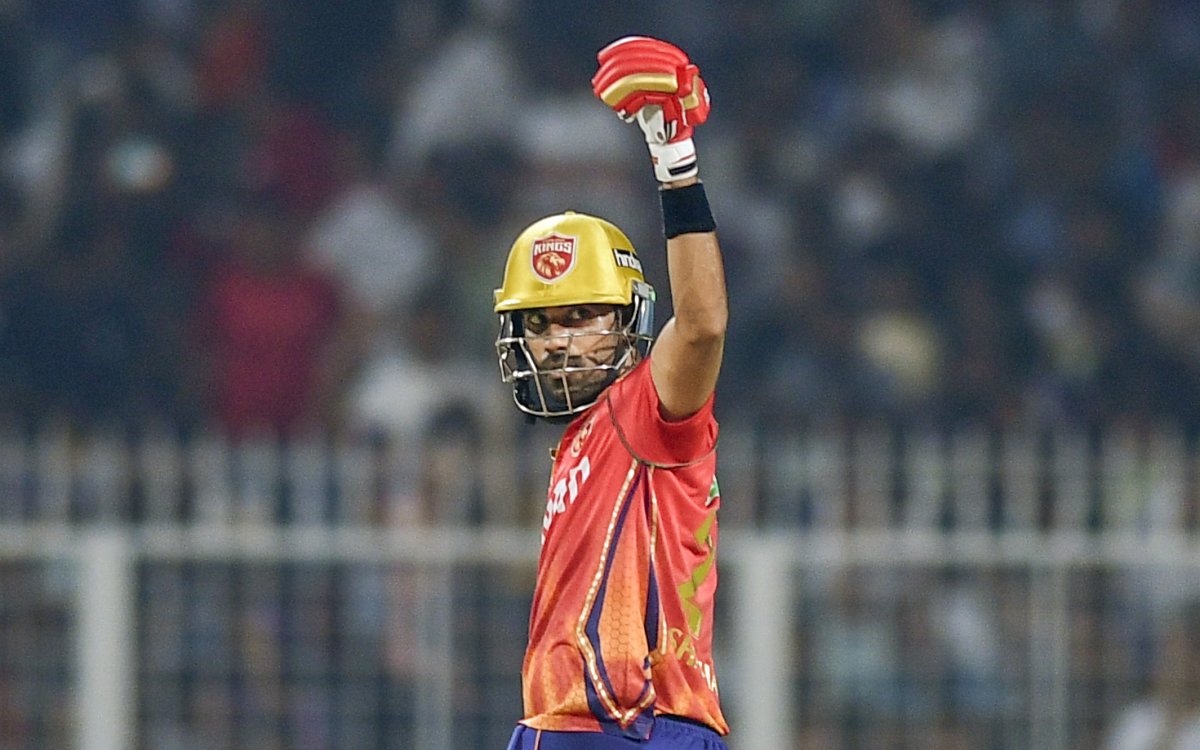

A few years ago, following cricket meant watching the score tick over and maybe checking a highlights reel later. Fans cared about runs, wickets and maybe the occasional milestone. Now the game feels different. Every moment is tracked, graphed and shared. The scorecard that once told the story is now just the beginning. Data has taken over how we see the sport and how we talk about it.
You can feel it during any major series. Fans check strike rates and powerplay efficiency the way they used to talk about batting averages. Analytics isn’t just something that lives in commentary boxes anymore. It has become part of the way supporters understand the rhythm of the match. Everyone has become an armchair analyst, eager to spot trends before the experts do.
The shift started quietly, but it has become impossible to miss. Even casual fans now know what win probability means or how fielding metrics can turn a good player into a great one. The modern cricket follower doesn’t just watch. They study, compare and question. It’s a more informed, more interactive way to love the game.
The rise of data driven fandom
With so much data at their fingertips, fans have found new ways to connect with matches. For some, it’s through social media clips and instant updates. For others, it’s through prediction models and pre-match analysis. Those who follow cricket predictions are especially tuned in to this change. The same numbers that drive team strategy also shape how markets move and how people make sense of momentum. For many, it adds an extra layer of excitement. It’s not just about watching who wins anymore, but understanding why they do.
This obsession with detail has also reshaped how fans see players and the history. A solid fifty used to be enough to earn praise. Now people want to know how fast those runs came, what the strike rate was, and how many boundaries were hit off the spinners. The conversation is sharper. The debates are louder. Data has turned everyone into a participant, not just a spectator.
The change is visible in how fans watch at home too. Scorecards on television now look more like dashboards. Ball tracking, wagon wheels and predictive graphics keep audiences hooked between deliveries. The numbers create suspense, sometimes even more than the action itself.
When numbers meet emotion
Cricket has always been a sport of patience and analysis, so it’s no surprise that it has adapted so naturally to the data age. But what’s fascinating is how numbers have deepened rather than diluted emotion. When a batsman chases a record or a bowler defends a low total, the data gives context to the drama. It makes every over feel like a chapter in a story.
Players, too, have embraced this side of the game. Coaches use analytics to design practice sessions. Fitness teams track workloads down to the minute. Even decisions about field placements or bowling changes now come backed by data. The same logic that guides professionals is mirrored by fans who study the game from afar. Everyone feels part of the same process.
There is a small danger in knowing too much. Numbers can’t measure everything. They can’t show how a player feels when they walk out to bat in front of fifty thousand people. They can’t capture the noise when a wicket falls or the silence between deliveries. That mystery is still what keeps people watching. For all the analysis and prediction, cricket remains gloriously unpredictable.
And that unpredictability is exactly what keeps data so addictive. Every chart, every metric, every stat is a clue, but never a guarantee. The beauty of the sport lies in those moments that defy numbers. It’s why people keep coming back, whether they are in the stands or following the live score on their phones.
A new chapter in how we watch
The data revolution has changed more than just commentary. It has changed the experience of fandom itself. People now watch together but think individually. They track their favourite players, build fantasy teams, test theories and compare predictions. The game has become a shared experiment in curiosity.
Cricket was built on tradition, but it has always evolved. Scorecards once took days to print, then came television graphics, and now predictive analytics. Each step has brought fans closer to the heart of the game. The love of cricket hasn’t changed, but the way we show it has. It’s more engaged, more informed, fmore personal.
As long as there’s a ball to bowl and a stat to check, fans will find a reason to lean forward. Because in the end, the numbers don’t replace the game. They make it richer. They remind us that behind every graph there’s still a heartbeat, a crowd and a story waiting to unfold.