When cricket fans think of picturesque stadiums in Himachal Pradesh, the spectacular, snow-capped peaks of Dharamshala inevitably dominate the conversation. But this October, domestic cricket’s spotlight shall take a dramatic 150-kilometre detour southwest.
Following persistent, unseasonal rain that left the Dharamshala outfield waterlogged and unplayable, the Himachal Pradesh Cricket Association (HPCA) made a breaking announcement: the high-profile Elite Group D Ranji Trophy clash between powerhouse defending champions Mumbai and Himachal Pradesh (18–21 October 2026) has been officially moved to the Luhnu Cricket Ground in Bilaspur.
For Luhnu, a highly rated 4.4-star venue praised by locals for its well-maintained pitches and spacious outfield, this match marks a monumental competitive resurgence. Moving a first-class four-day match on short notice is a massive logistical gamble, but the Luhnu Cricket Ground is uniquely equipped for weather crises.
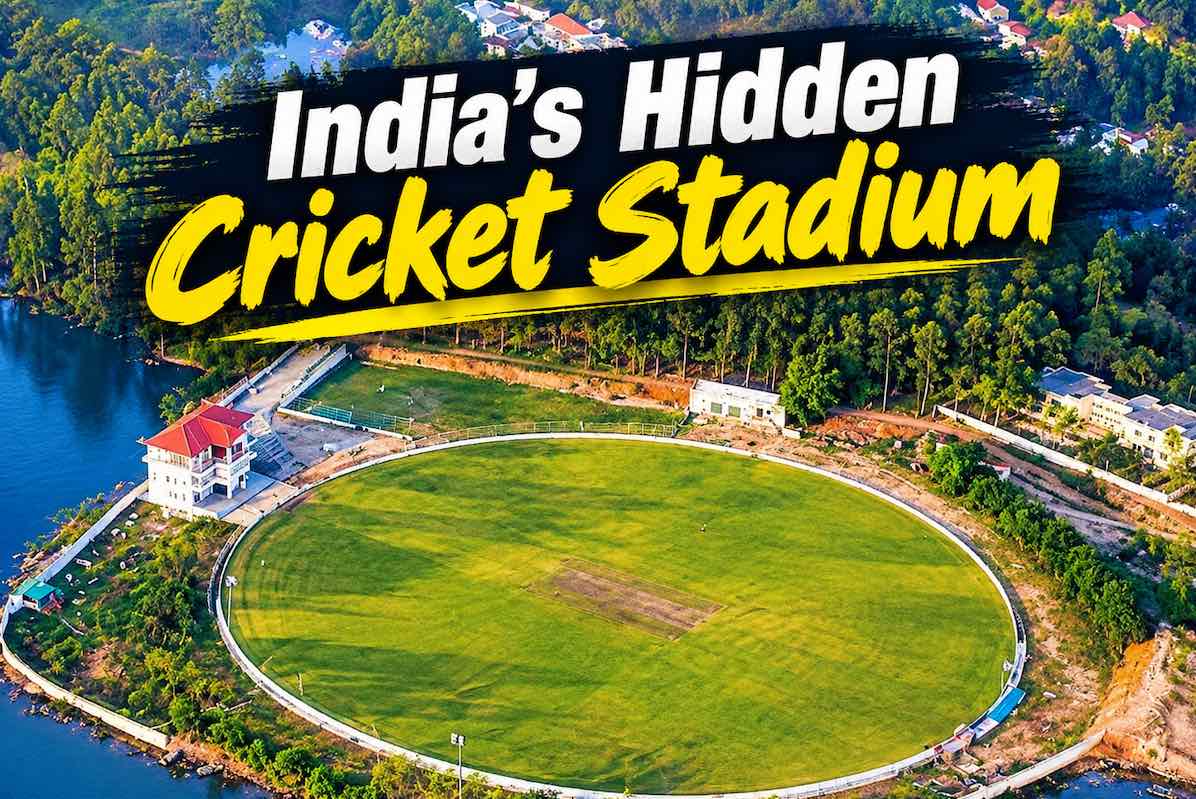
Nestled directly on the edge of the expansive Gobind Sagar Lake, the ground features newly upgraded SISGrass hybrid pitches. By injecting 5% artificial polymer fibres into the natural grass turf, the square has become highly resilient to player wear and tear while recovering exceptionally fast from heavy rains.
While the venue boasts a dedicated team of passionate staff, it has spent over two decades waiting for a moment like this. Luhnu first hosted youth cricket in 1999, followed by its first-class debut in the 2001/02 Ranji Trophy when Himachal played Delhi, and a subsequent fixture against Hyderabad in 2002/03. For 24 years, no further major senior domestic matches were staged here—until the weather gods and modern turf technology combined to hand Bilaspur its grand stage.
This isn't the first time the Luhnu Ground has been intricately tied to Dharamshala's weather and logistical dramas.
In March 2024, just 48 hours before the high-stakes 5th Test Match between India and England, the tranquil town of Bilaspur witnessed an unprecedented spectacle. At the crack of dawn, Indian Captain Rohit Sharma embarked on a frantic multi-leg journey after attending the Ambani family pre-wedding festivities. Having flown out from Delhi at 5:30 AM, a private helicopter braved the volatile mountain weather to fly Rohit directly into Bilaspur, landing on the Luhnu outfield at the behest of then-Union Sports Minister Anurag Thakur.
Joined by Head Coach Rahul Dravid, Rohit spent the morning at the Luhnu ground inaugurating the Sansad Khel Mahakumbh 3.0. The duo even thrilled the local crowds by playing tennis-ball cricket with local youth right on the lakeside turf. At the time, Thakur publicly lauded Rohit, noting that the captain easily could have refused the demanding early-morning trip so close to a Test match but chose to come to inspire the 75,000 young rural athletes gathered at the venue.
But what happened after the Bilaspur event created its own separate media storm. With India's official team net practice scheduled for early afternoon in Dharamshala, there was zero time to negotiate the winding mountain highways. Rohit and Dravid boarded the chopper at Luhnu once more, flying directly over the Dhauladhar peaks to Dharamshala.
To avoid delaying his arrival at the team camp, the private chopper touched down at the Kangra District Badminton Association Ground. Because the landing took place right next to the iconic HPCA infrastructure, social media went into a frenzy over the "grand helicopter entry," allowing the skipper to instantly join the squad for training without losing a single minute to road traffic.
Luhnu’s entire existence is rooted in a story of rebirth. In the 1960s, the construction of the iconic Bhakra Dam transformed the Sutlej River, completely submerging the old historical town of Bilaspur. As a new town was meticulously planned and built on higher ground, Luhnu emerged as its vast, open-air cultural heart and primary oxygen zone.
Instead of Dharamshala’s jagged peaks, players and spectators at Luhnu are treated to a stunning, serene lakeside view, where the lush outfield seems to melt directly into the emerald-blue waters of the Gobind Sagar reservoir. It is a place where migratory Siberian ducks fly past in the winter, and the earthy fragrance of pine leaves fills the air. It stands as one of the most picturesque stadiums in India.
With plans currently underway to further develop the surrounding waters into an official hub for adventure water sports and boating festivals, Luhnu is quickly transitioning from a beloved community park into a premier multi-sport destination. As Mumbai travels to town this October, the lakeside ground is finally getting the grand first-class cricket spotlight it was always meant to occupy.